

In recent years, Organic Food New Zealand has become more than just a trend—it’s a movement reshaping the way Kiwis eat, farm, and think about their health and the environment. This growing shift towards organic living reflects not only changing dietary habits but also a deeper awareness of sustainable agriculture, animal welfare, and ecological responsibility. As more New Zealanders prioritize wellness and environmental impact, organic food is emerging as a trusted choice on supermarket shelves, farmers’ markets, and home gardens alike.
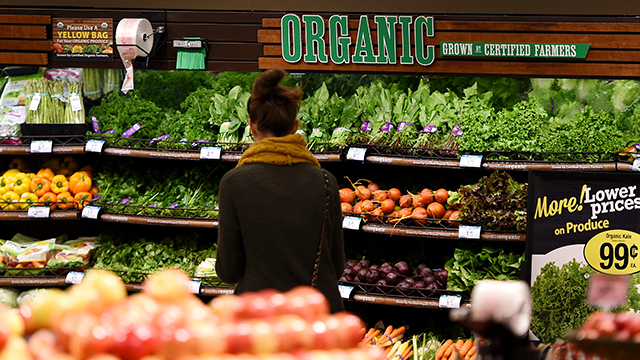
The unique geography and climate of New Zealand contribute to its ability to produce some of the world’s highest-quality organic food. Rich soils, clean air, and access to fresh water provide an ideal environment for cultivating chemical-free produce and raising livestock in humane, open conditions. Local farmers committed to organic practices must meet strict certification standards that ensure no synthetic fertilizers, pesticides, or genetically modified organisms are used in production. This commitment not only benefits the consumer but also supports the country’s biodiversity and long-term ecological health.
In cities and rural communities alike, demand for organic food is steadily climbing. Health-conscious consumers are increasingly drawn to the nutritional advantages of organic products, which often contain higher levels of vitamins, minerals, and antioxidants compared to conventionally grown food. Additionally, the absence of harmful chemical residues provides peace of mind for families aiming to reduce their exposure to potentially toxic substances. This is especially important for parents buying food for young children, as well as individuals managing chronic health conditions through diet.
Moreover, the ethical and environmental values associated with organic food resonate strongly in New Zealand’s culture. People here take pride in supporting local growers and businesses that follow sustainable methods. Many organic farms also practice regenerative agriculture—methods that improve soil health, conserve water, and help sequester carbon from the atmosphere. These practices align with New Zealand’s broader environmental goals, including the push toward becoming a carbon-neutral economy.
Retailers and supermarkets across the country are expanding their organic offerings, and government initiatives are beginning to recognize the potential of organic agriculture in addressing food security and environmental resilience. However, challenges remain, including higher production costs and the need for greater consumer education. As awareness continues to grow, the industry is optimistic about bridging these gaps through innovation, transparency, and collaboration among producers, retailers, and policymakers.
In essence, Organic Food New Zealand reflects more than just a dietary preference—it represents a conscious lifestyle that values health, sustainability, and local connection. As the movement gains momentum, it has the potential to shape a healthier future for both people and the planet.